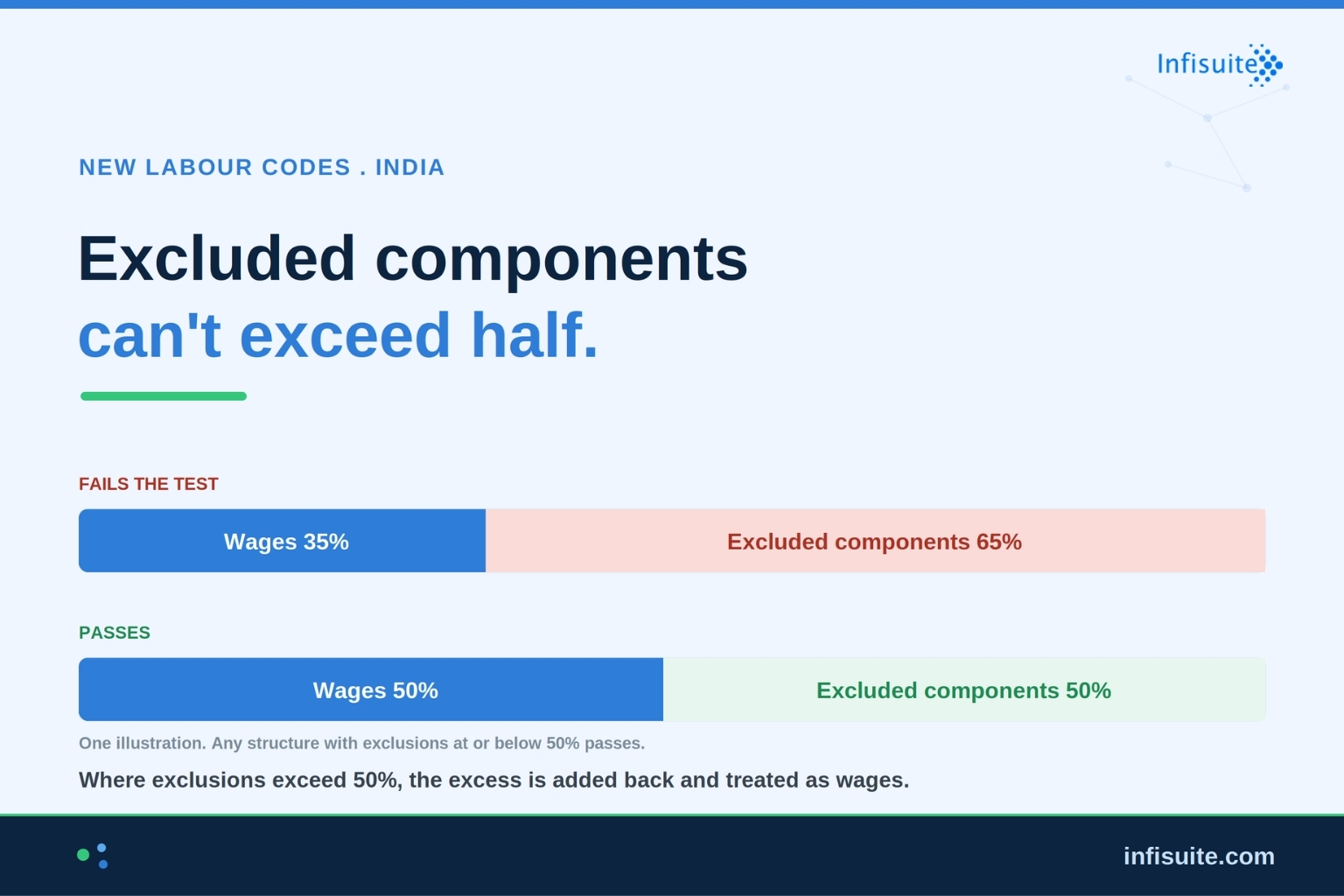
Quick Answer The 50% wage rule comes from the Code on Wages, 2019. Specified components excluded from wages cannot exceed 50% of an employee’s total remuneration. If they do,...
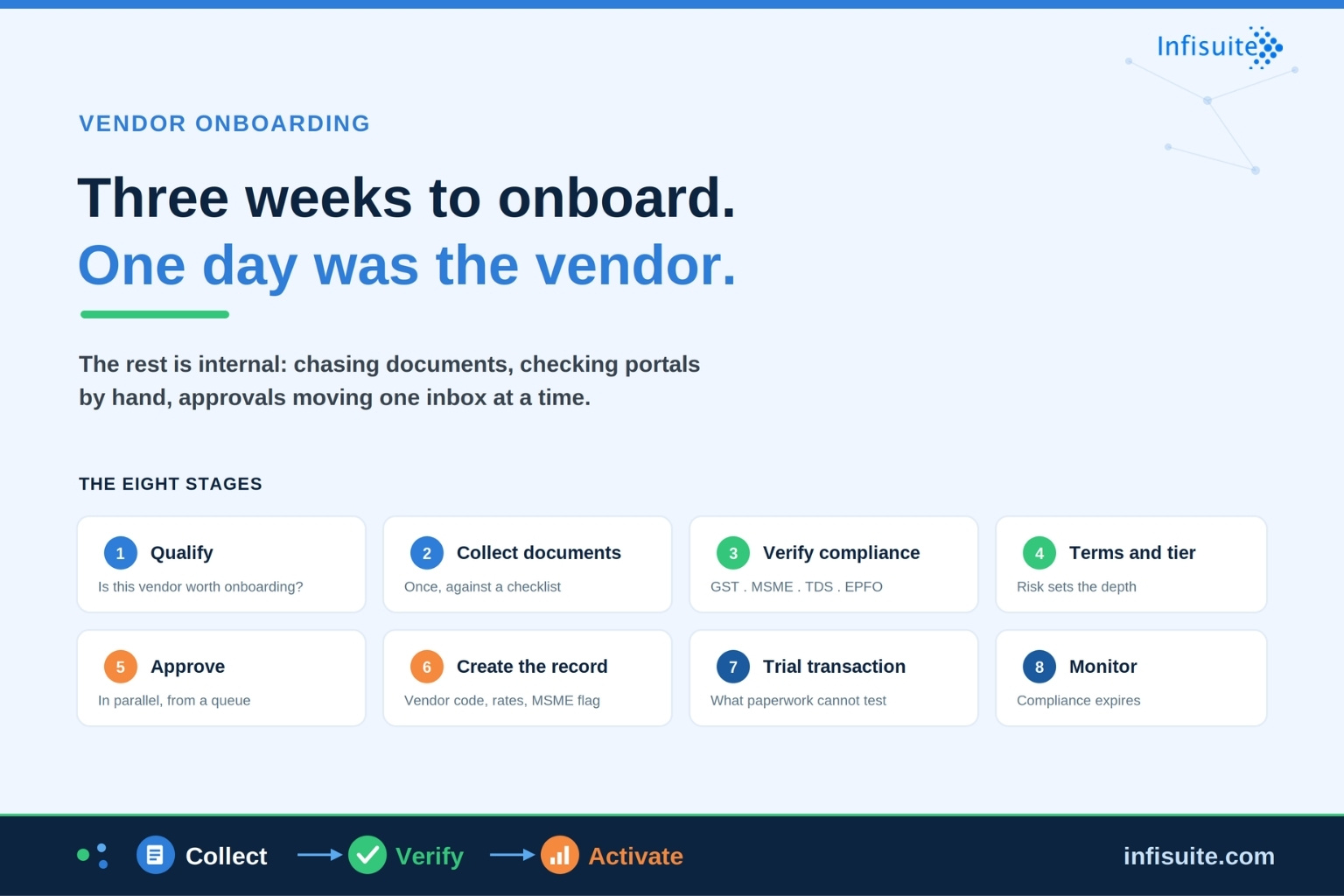
Quick Answer Vendor onboarding is how a business checks, approves and activates a new supplier. There are eight steps. Identify the vendor, collect documents, verify statutory compliance for GST,...
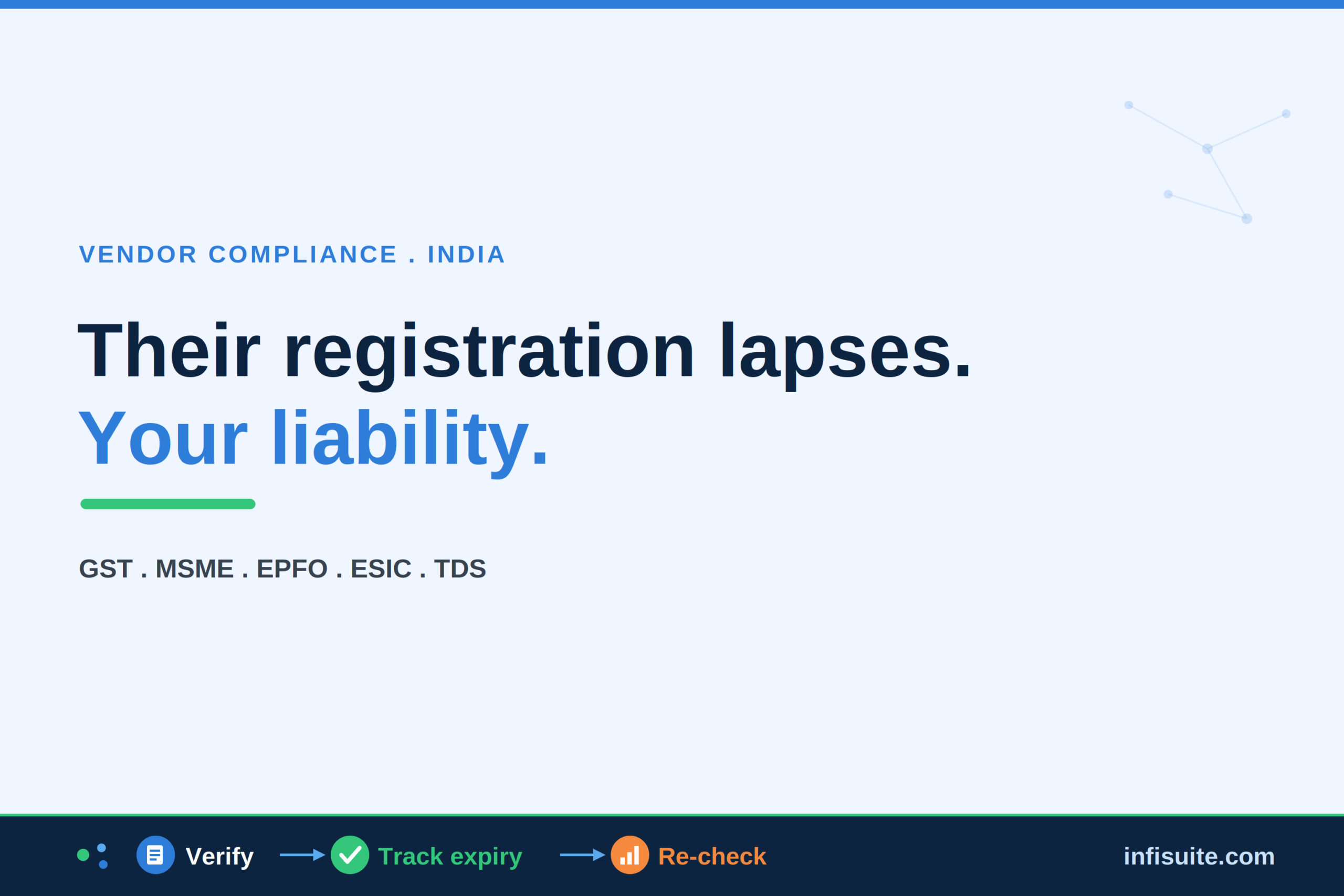
Quick Answer Vendor compliance in India means verifying that a supplier holds and maintains the statutory registrations their business requires — GST registration, MSME (Udyam) status where claimed, EPFO...
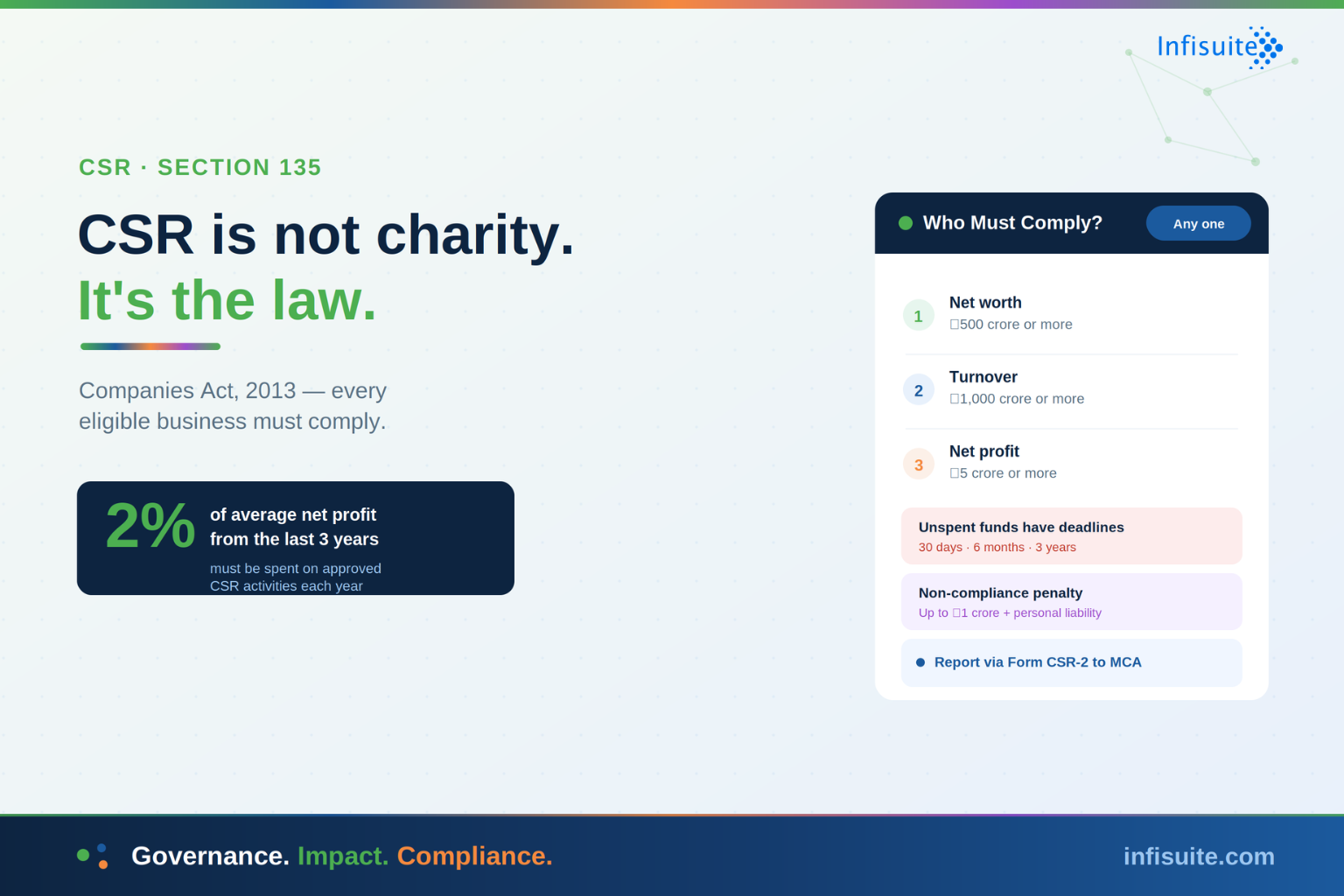
Quick Answer CSR under Section 135 of the Companies Act, 2013 is the legal duty for eligible Indian companies to spend at least 2% of their average net profits...
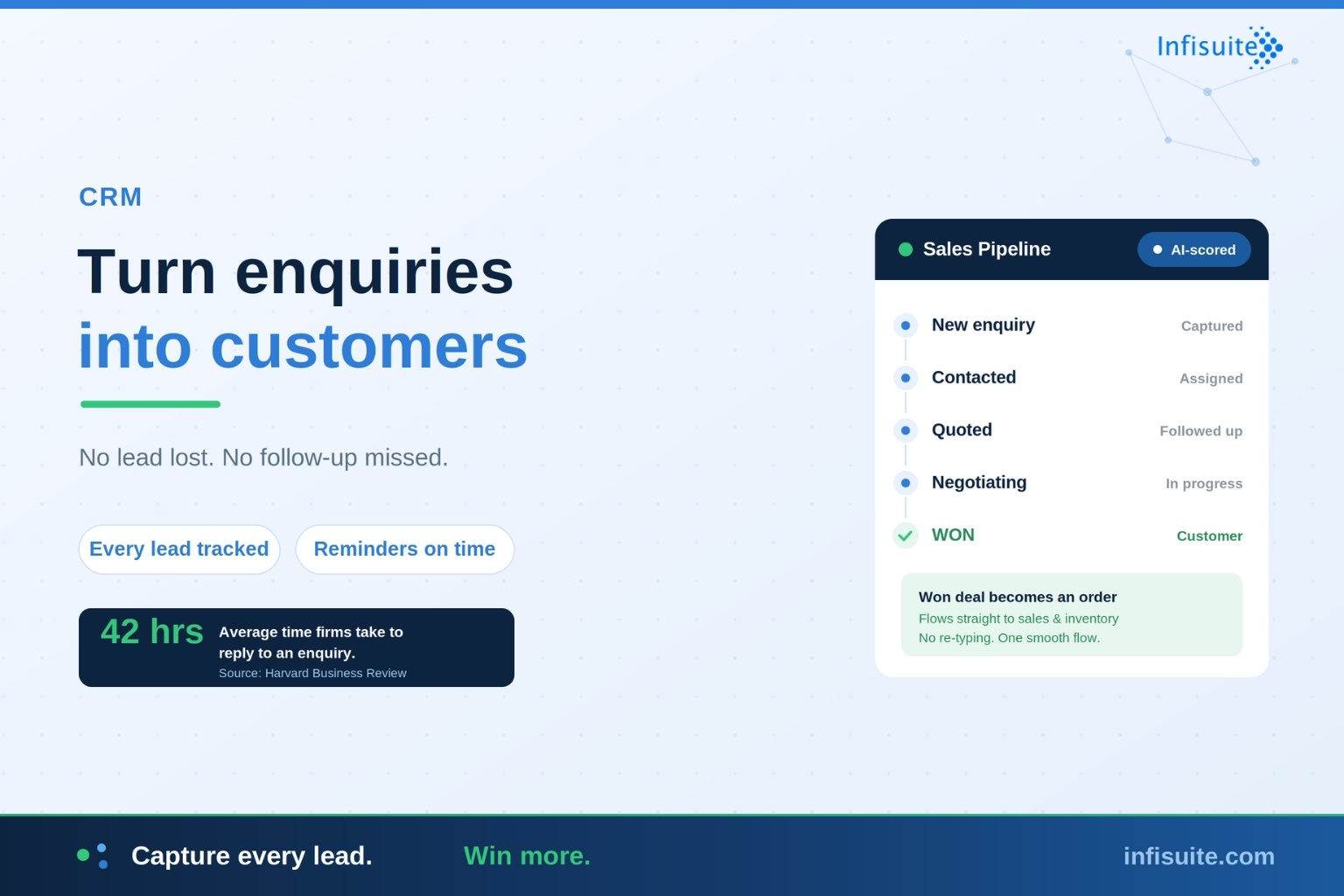
Quick Answer CRM (Customer Relationship Management) software turns enquiries into customers by capturing every lead in one place, tracking each one through your sales pipeline, and making sure no...
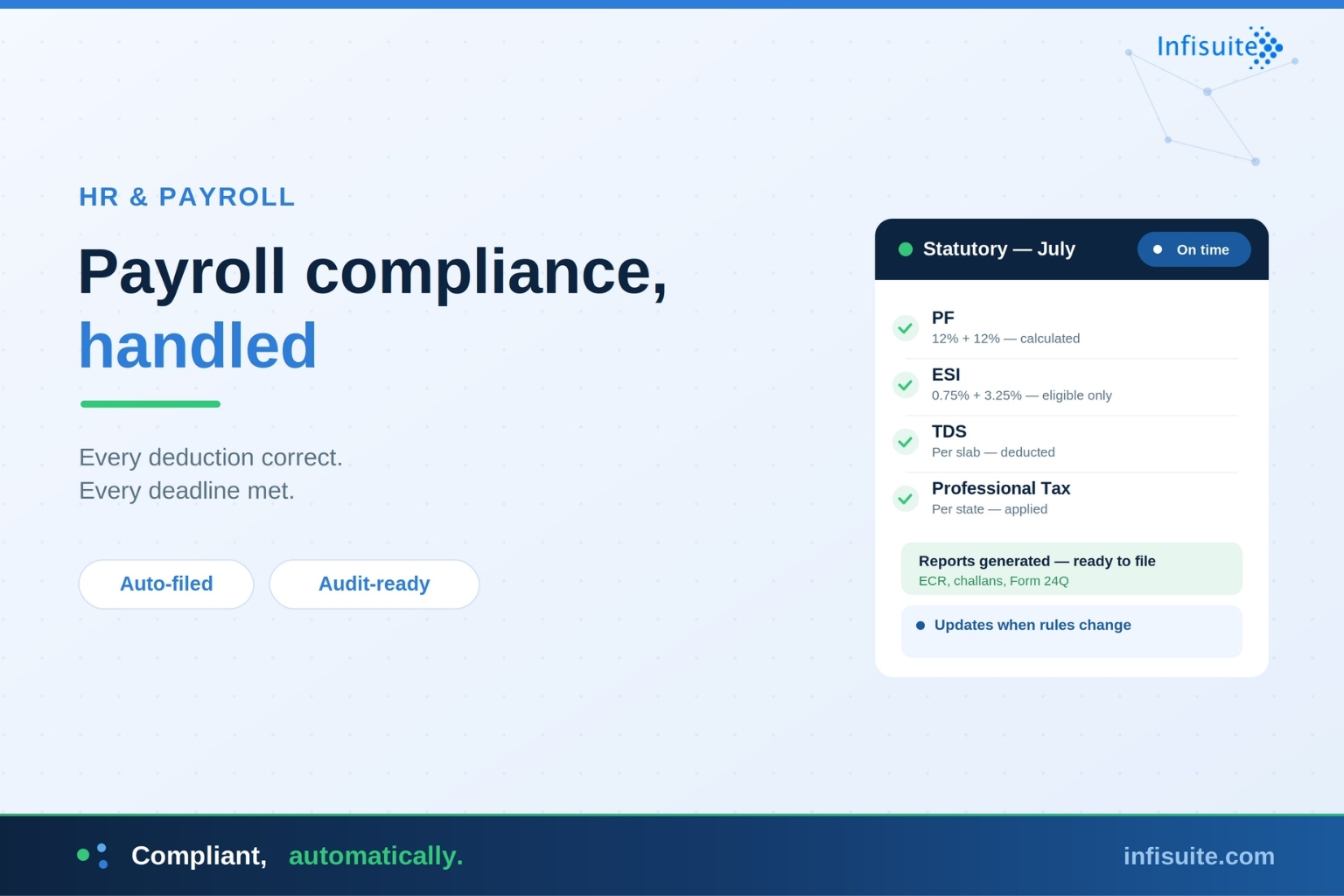
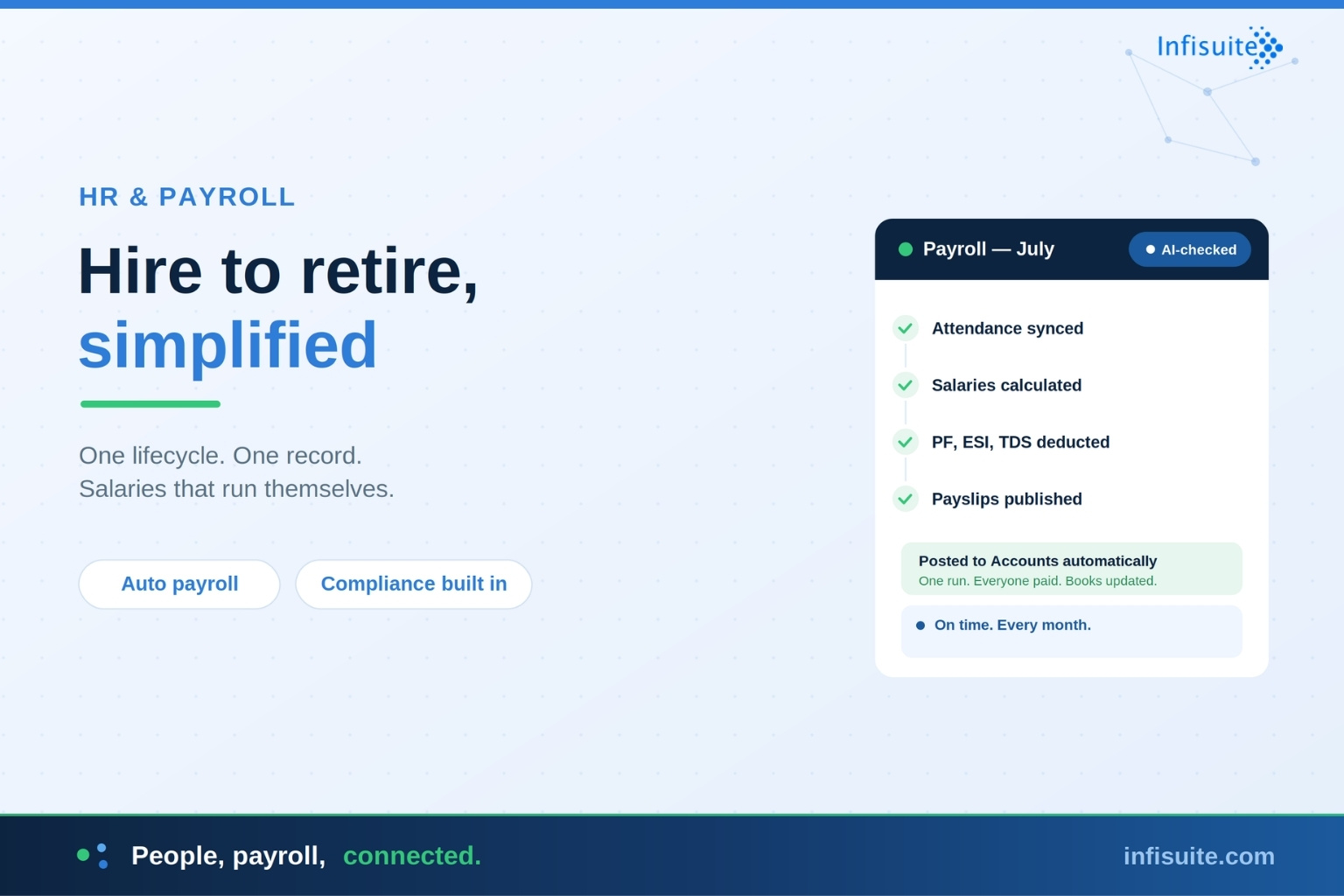
Quick Answer Payroll compliance means following all the laws that apply when you pay employees. In India, this mainly covers four statutory items: PF (Provident Fund), ESI (Employees’ State...
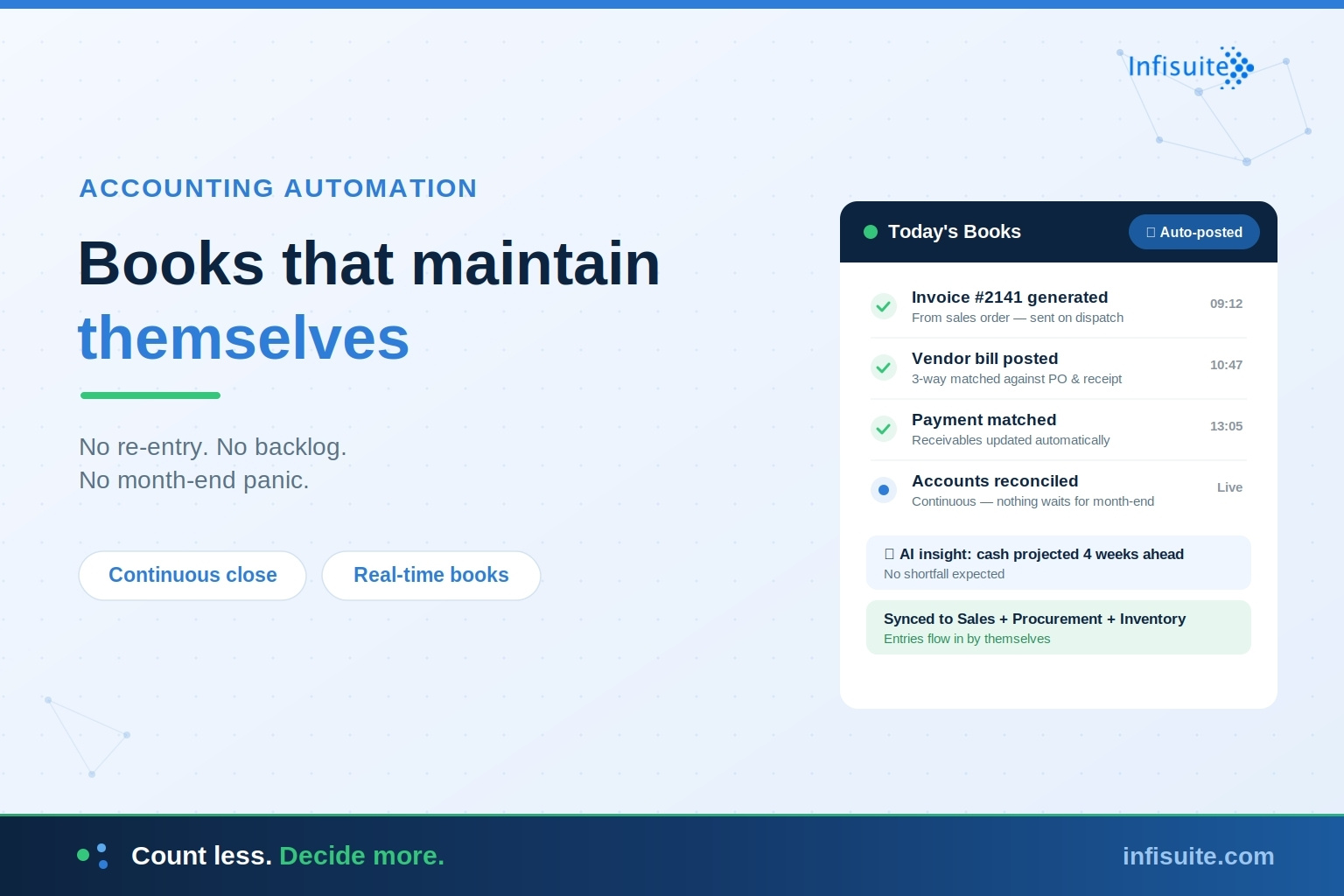
Quick Answer Accounting automation transforms business finance by removing the manual work between transactions and accurate books. Instead of re-typing invoices, matching payments by hand, and reconciling spreadsheets at...
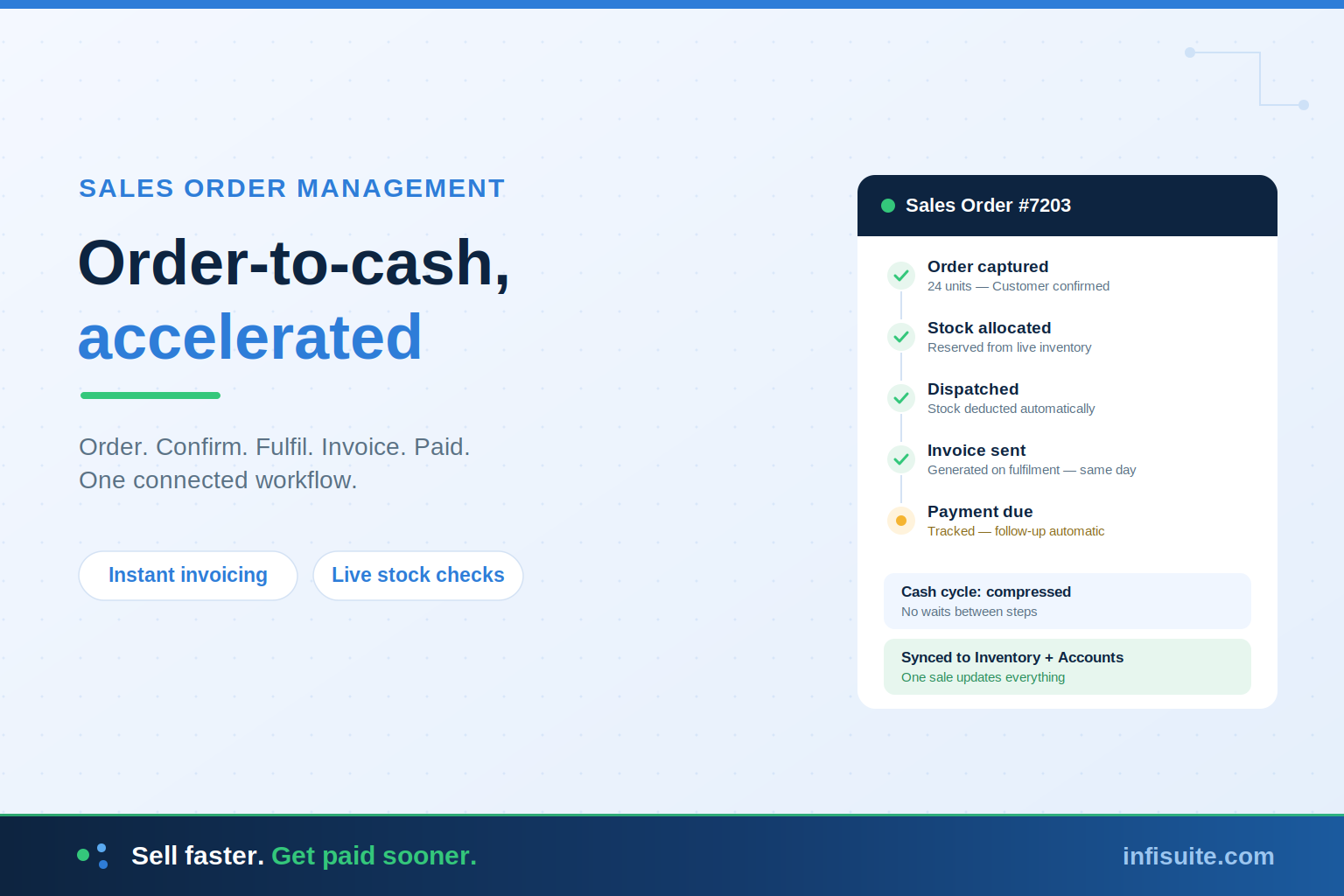
Quick Answer Sales order management software accelerates order-to-cash by connecting every step — order capture, confirmation, stock allocation, fulfilment, invoicing, and payment collection — into one automated workflow. Each...
We use cookies to improve your experience on our website. By continuing to browse, you agree to our use of cookies. For more details, please review our Privacy Policy