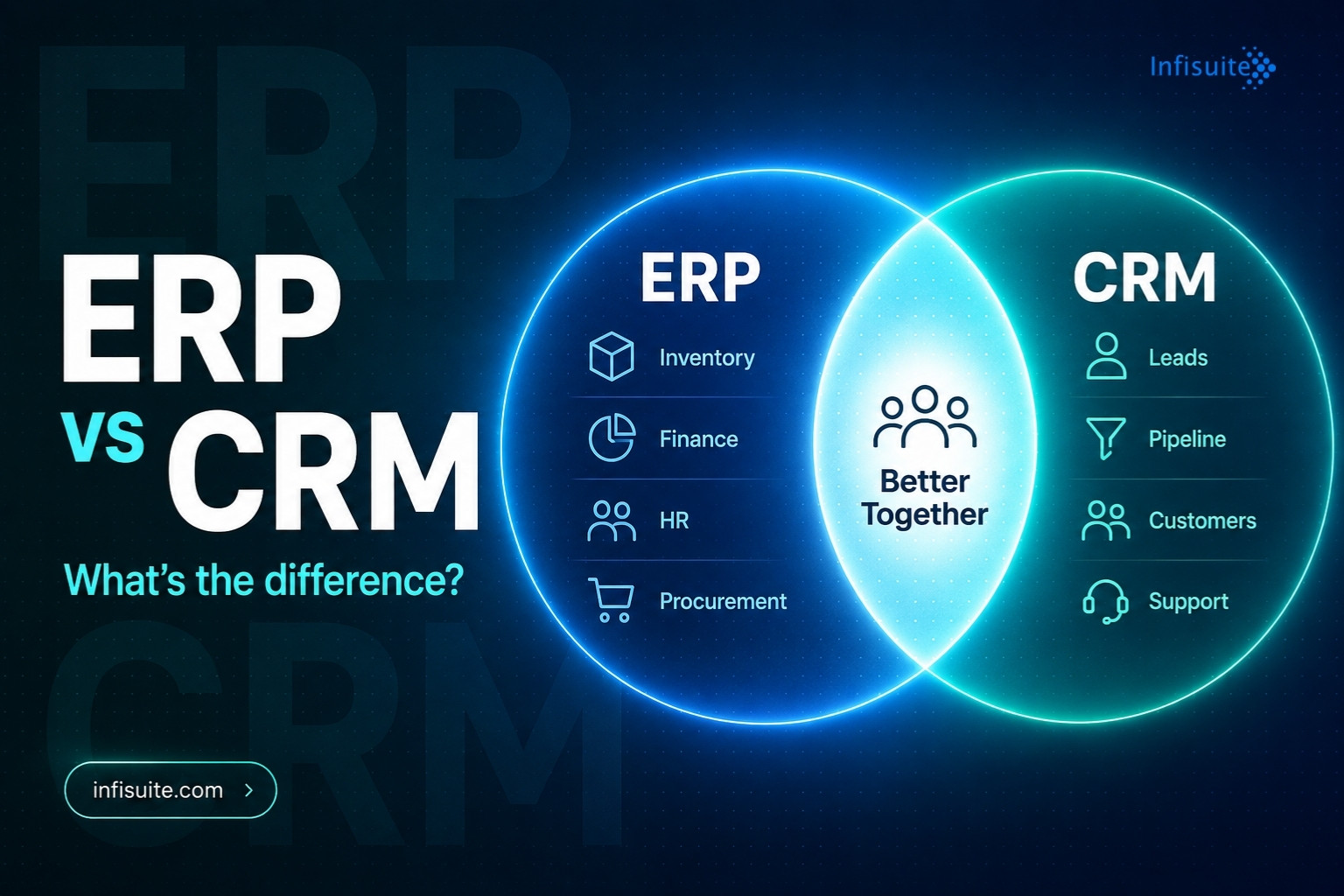
Quick Answer ERP and CRM are not the same, and they are not alternatives. CRM (Customer Relationship Management) manages customer-facing processes — leads, sales pipeline, and support. ERP (Enterprise...
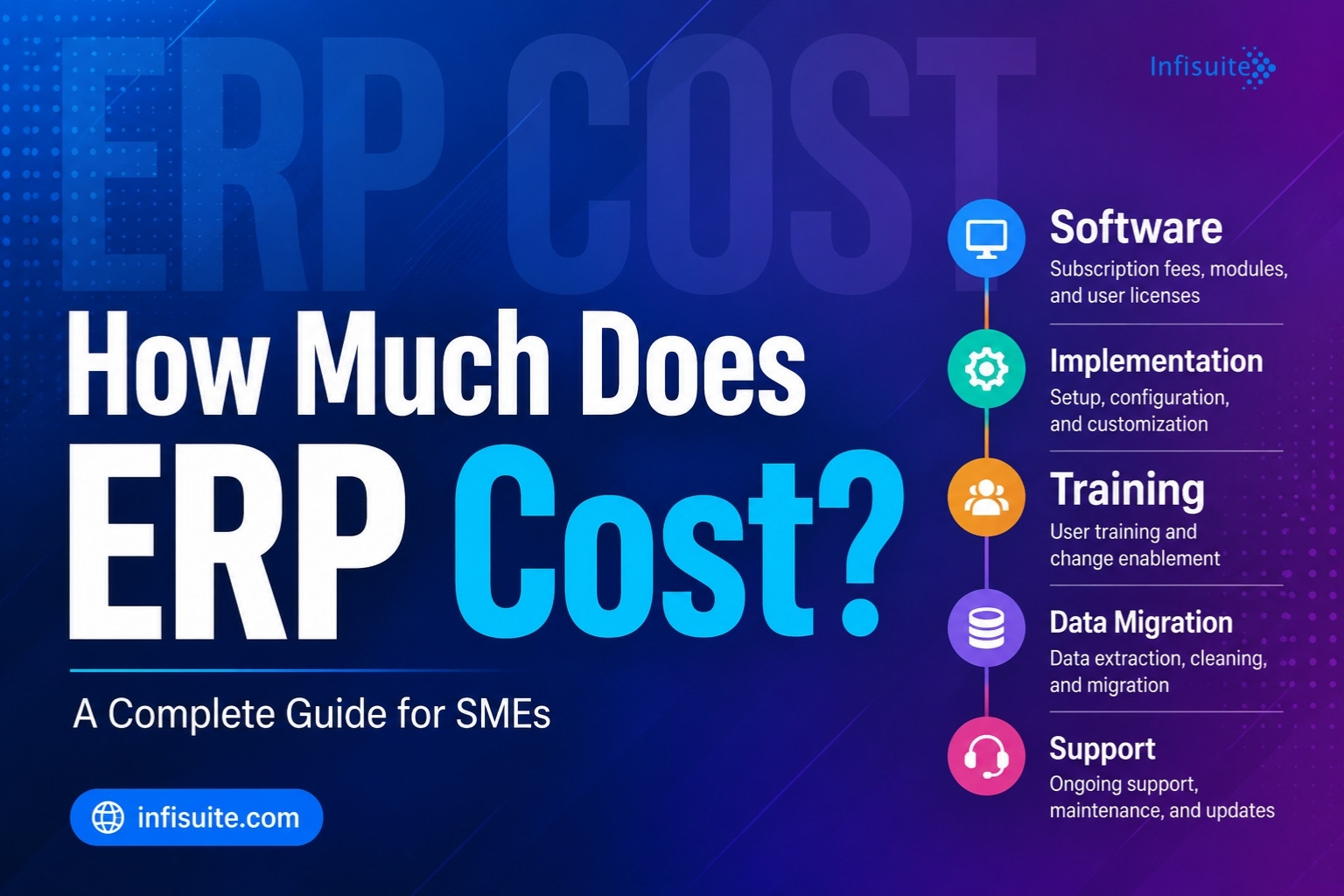
Quick Answer ERP cost isn’t a single price — it’s the total of five components: software subscription, implementation, data migration, training, and ongoing support. For SMEs, Cloud ERP subscriptions...
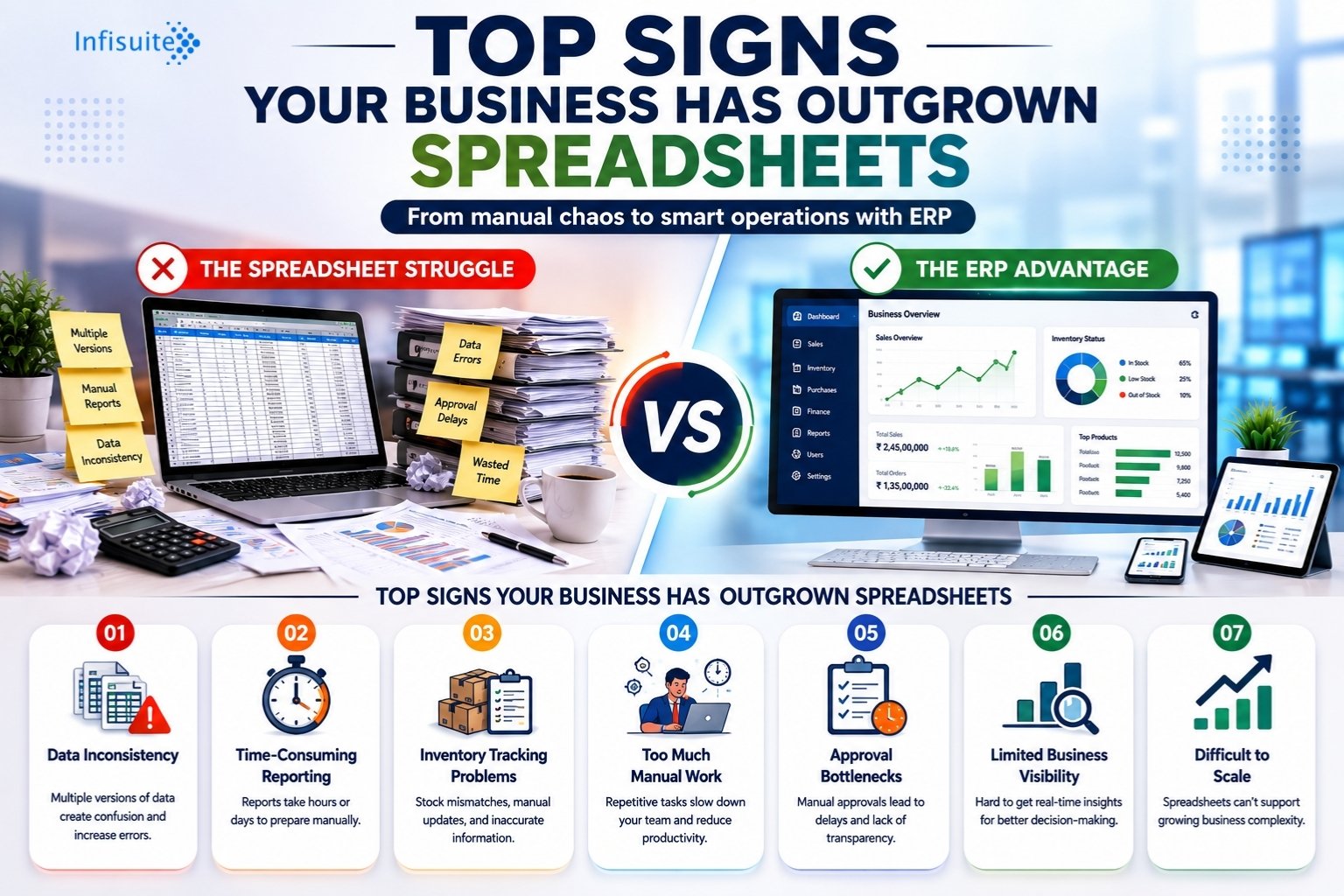
Quick Answer Your business has outgrown spreadsheets when the signs of strain appear: teams work from different versions of the same data, reports take hours or days, inventory is...
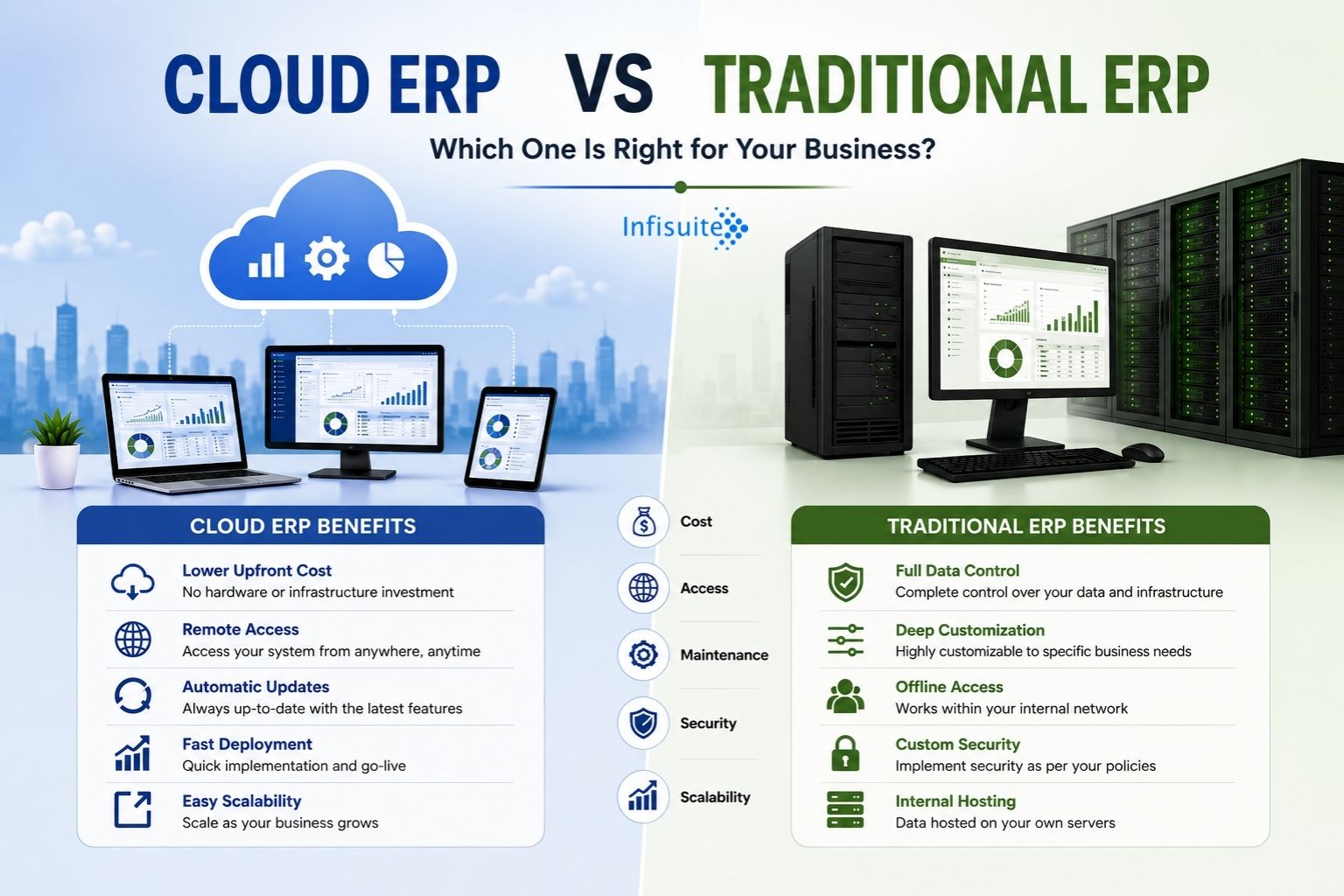
Quick Answer Cloud ERP is hosted by the vendor and accessed over the internet on a subscription — low upfront cost, fast deployment, automatic updates, and easy scaling. Traditional...
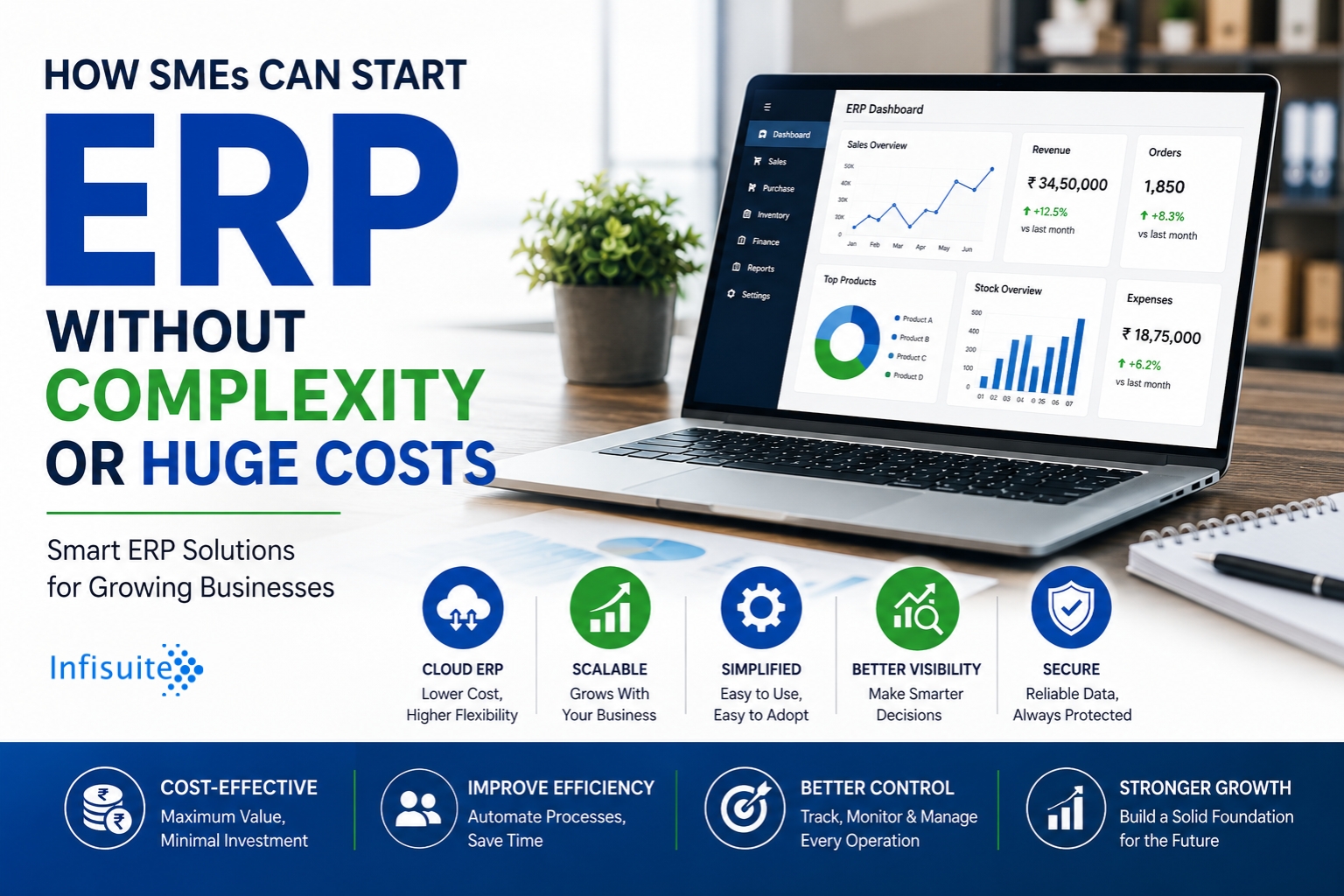
Quick Answer SMEs can start ERP without complexity by taking a phased approach: define your specific operational problems, map your core processes, choose Cloud ERP over on-premise, go live...
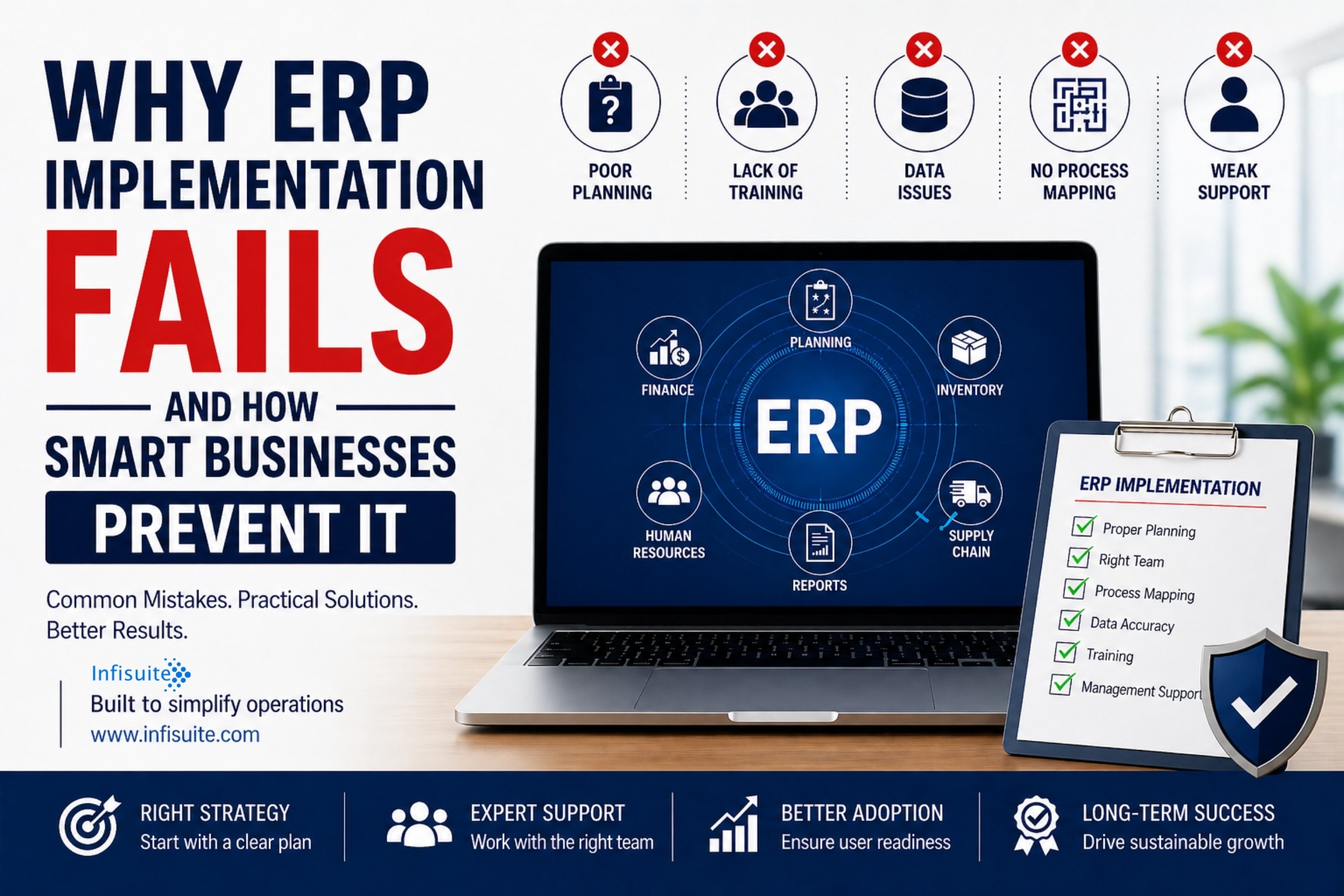
Quick Answer ERP implementations fail mostly because of execution, not software. The common causes are poor planning, choosing the wrong vendor, weak training, automating broken processes, dirty data migration,...
Quick Answer Research consistently puts the ERP implementation failure rate between 55% and 75% — meaning most ERP projects overrun on cost, timeline, or expected outcomes. Total collapses are...
Quick Answer Businesses struggle with too many software tools because each tool solves one problem in isolation — but together, they create a bigger one. Disconnected tools don’t share...
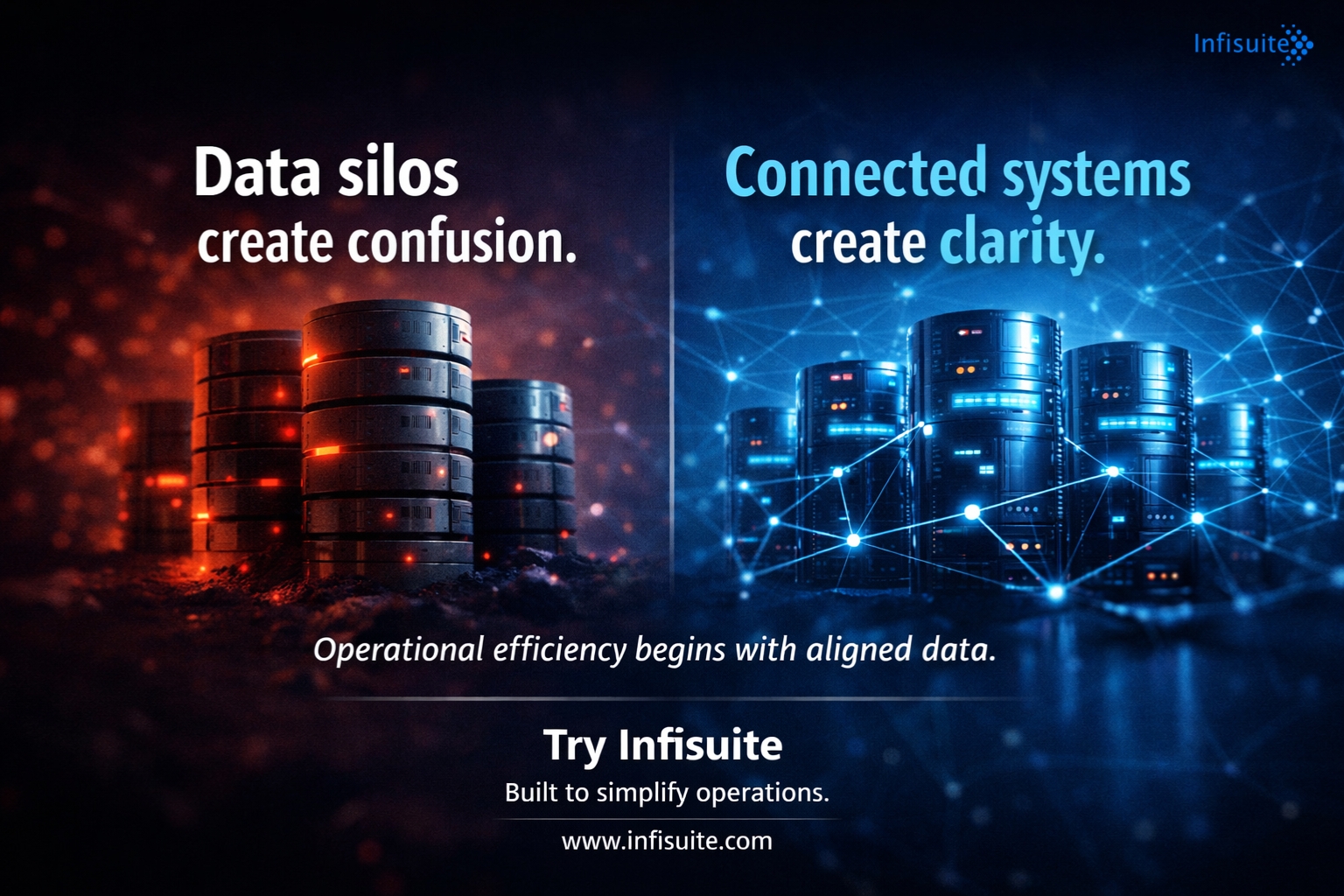
Quick Answer Data silos happen when business information is trapped in separate systems that don’t communicate. Sales data sits in a CRM, finance data in accounting software, operations in...
Quick Answer A Single Source of Truth (SSOT) is one unified, reliable data foundation that every team and system in a business draws from. Instead of sales, finance, and...
We use cookies to improve your experience on our website. By continuing to browse, you agree to our use of cookies. For more details, please review our Privacy Policy